
LAND, NATURAL RESOURCES & EQUITY
Promoting and supporting sustainable and accountable management of land and natural resources.
ILEG seeks to promote and support equitable access, utilization and sharing of benefits accruing from investments on land and natural resources. In addition, the program seeks to support and work with local communities to practically conserve and restore degraded lands, forests, wetlands and other natural resources.
Overview
Motivation
Approach
Elements
Objectives
Overview
Land and natural resources hold significant importance as sources of wealth, identity, and power. Acknowledging their crucial role, good land governance is emphasized as a key factor in achieving several United Nations Sustainable Development Goals (SDGs), spanning poverty elimination, sustainable agriculture, gender equality, economic growth, and peaceful societies. It is widely recognized that secure land and natural resource rights for all are mandatory for reducing poverty because they ensure social inclusion and economic development. However, land and natural resources are not just becoming scarce they are also facing heightened degradation. Inadequate land and natural resource management methods, disagreement over the ownership, access to, governance and management of natural resources, the decline of biodiversity, increasing population pressure, natural disasters, the impact of neo-colonial policies compounded with climate change have collectively led to the deterioration of 65% of Africa’s fertile land and natural resources and the desertification of 45% of its overall landmass.
In Africa, where economies and livelihoods are intricately linked to these resources, continental organizations like the African Union (AU) recognize the need for conservation, protection, and sustainable use for structural transformation. Initiatives like the Land Policy Initiative and Africa Mining Vision aim to guide development and promote equitable access to resources. In the East African Community (EAC) as well natural resources are viewed as drivers of economic development, leading to the creation of protocols for sustainable management and cooperation. Kenya, with its rich natural resources, faces challenges such as population growth, unsustainable practices, and industry impact, prompted initiatives like the National Land Policy and the Constitution of 2010 but despite the progress, issues of weak enforcement and implementation persist, resulting in concerns over irregular allocations, conflicts, and tension. However, unresolved claims of historical land injustices, unsustainable land use practices, changing land use, tenure insecurity and frequent land-related conflicts are quintessential manifestations of Kenya’s fabled land question.
Our Motivation
Most Kenyans, especially the majority poor rely almost exclusively on land and natural resources, such as forests, water, wildlife, fisheries, dry lands, wetlands and minerals for sustenance. Apart from Agriculture which sustains over 80% of Kenyans, other livelihood activities like pastoralism, fishing, tourism and processing natural resources for sale are entirely dependent on natural resources.
The Land, Resources and Equity program seeks to promote and support development and implementation of appropriate laws, regulations, institutional frameworks and capacities for sustainable and accountable management of land and natural resources.
Our Approach
- Research
- In research, ILEG seeks to investigate the effectiveness of legal and policy tools in bringing about sustainable governance of natural resources; identify any existing policy gaps; and recommend the most promising pathways to effective natural resource governance. ILEG also conducts baseline surveys to benchmark impacts of projects and programmes. Occasionally, it conducts special studies on current topics with impending impact on the environment and people’s livelihoods.
- Advocacy
- Awareness creation and public participation on environment, forest, land and natural resources policies, laws and regulations to improve on enforcement and ensure compliance. ILEG pushes on several fronts for its analytical insights to be used by policymakers, businesses, and other key actors to make sustainable governance of natural resources possible. As such, it shares its research findings with stakeholders at the international, regional, national and sub-national levels for debate, feedback, refinement, and implementation. As an honest broker, ILEG will continue to facilitate policy dialogues and consultations to make sound environmental laws and policies informed by the need for a safe and healthy environment, economic transformation, and improved livelihoods.
- Education and training
- ILEG undertakes training and other activities aimed at strengthening capacities of individuals, communities, organizations, and governments to understand the nature of contemporary development challenges and policy strategies for the achievement of sustainable development, this is done mainly through workshops and seminars. We also train communities in nature-based enterprise tree nursery establishment. In addition, it provides affiliation to scholars and students through fellowship and internship programmes in the areas of law and policy relevant to sustainable governance of natural resources.
- Advice and technical support
- A fundamental aspect of ILEG’s advisory work is to assist government agencies in developing legal, policy and institutional arrangements for managing natural resources. In this regard, it has supported Kenya’s Commission for Implementation of the Constitution (CIC) and the ministries of Land, Housing and Urban Development (MLUH); and Environment, Water and Natural Resources (EWNR) in various areas including formulating and reviewing laws, policies and regulations.
- Capacity building
- ILEG also seeks to support local communities and organizations to restore native forest ecosystems and reverse degradation, whilst strengthening local capacity for enhancing management practices, and promoting alternative livelihoods with gender equity, in ways that attend to the local needs and aspirations.
Programme elements
Forest and Landscape Restoration
Extractive Sector Governance Initiative
Securing land Rights through Community leadership and Corporate Accountability
Strengthening County Governments’ Role on land and NR Governance
Improving Land and Natural Resources Tenure Security
Geospatial Analytics in Land Governance
Artisinal and Small scale mining
Sustainable Large Scale Land Based Investment
Gender and Youth inclusion in natural resource governance
Management and governance of protected and biologically sensitive areas.
Forest and Landscape Restoration
Forest Landscape Restoration (FLR) holds significance in enhancing a globally enriched environment through the development of extensive and resilient forest landscapes, ultimately benefiting biodiversity, communities, and climate. Over the years, ILEG has collaborated with global partners to actively promote and expedite FLR initiatives, particularly focused on rejuvenating degraded land in Africa. Our commitment aligns with national pledges aiming to restore 150 million hectares of globally deforested and degraded land by 2020 and a more ambitious target of 350 million hectares by 2030.
In our current projects, we aim to restore and rehabilitate degraded landscapes and ecosystems by implementing a series of measures that include agroforestry, reforestation, promoting sustainable land management practices, and raising awareness among local communities about the importance of ecosystem conservation while championing sustainable livelihoods.
Forest Landscape Restoration Goals
- To strengthen the capacity of farmers groups to influence agricultural policy frameworks development in the supported.
- Promote the diversification of livelihoods for increased incomes at the household levels and enhance community-based climate change interventions.
- Intensify Climate change mitigation interventions through supporting community based Environmental Conservation and Climate Change Adaptation initiatives in all the counties targeted.
Extractive Sector Governance Initiative
Enhancing sustainable utilization of natural resources and improved participation by citizens in governance. This is envisaged to in turn increase public awareness for participatory environmental natural resource management policy development, implementation and enforcement.
Securing land Rights through Community leadership and Corporate Accountability
Strengthening County Governments’ Role on land and NR Governance
Improve policies and Encouraging accountability among county governments in natural resources (NR) and improving fairness and efficiency in targeted environmental management systems.
Improving Land and Natural Resources Tenure Security
Geospatial Analytics in Land Governance
Capturing accurate spatial data of a land holding, Improve access to mapping and GIS tools for community organizations.
Artisinal and Small scale mining
Raising public awareness on critical issues in artisanal mining
Sustainable Large Scale Land Based Investment
We ensure responsible investment by promoting transparency, Accountability in the sector and champion for human rights large scale land based investments.
Gender and Youth inclusion in natural resource governance
Mainstreaming gender perspective and promote gender integration in our program activities.
Management and governance of protected and biologically sensitive areas.
Improve governance of protected areas.
Our OBJECTIVES
- To undertake policy research on topical issues relevant to sustainable management, conservation and utilization of land and natural resources in Kenya and East Africa
- To advocate for the development, review and implementation of laws and policies on sustainable management, conservation and utilization of land and natural resources in Kenya and East Africa.
- To promote public participation and civic engagement in the management, conservation and utilization of land and natural resources in Kenya and East Africa.
- To promote a robust and continuous dialogue among local, national and regional stakeholders in order to promote cooperation and coordination in the management, conservation and utilization of land and natural resources in Kenya and East Africa
- To strengthen county level planning and coordination in the management of land and natural resources.
- To strengthen capacities and enhance public awareness on sustainable management and utilization of land and natural resources.
- To provide technical support to county and national government and other public agencies in the development, review and implementation of laws and policies related to sustainable management, conservation and utilization of land and natural resources.
- Developing and supporting community-based projects and initiatives that improve the productivity of local land based natural resources.
- Improve land and natural resource tenure security and reduce conflict over natural assets.
- Improve management of protected and biologically sensitive areas.
OuR PROJECTS
CURRENT PROJECTS
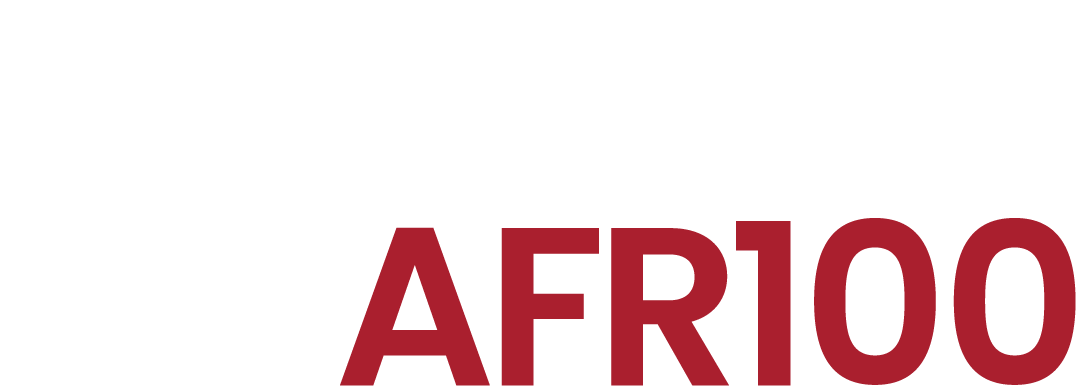
ILEG aims to restore and rehabilitate degraded landscapes in Siaya and Kajiado Counties.
Environment, Democracy & Justice
Securing the natural assets of local and vulnerable communities by supporting and promoting due process rights.
Science, Technology & Innovation
Supporting the development and use of scientific knowledge and technological innovation to strengthen the management and governance of the environmental and natural resources.
PAST PROJECTS
Legal Framework for Beach Management Units in East Africa.
The sustainability of fisheries resources in most water bodies in East Africa is are threat. This has arisen because of poor management, leading to degradation resulting from beach pollution and the use of destructive fishing methods such as dynamite, poison and small fishnets…
Promoting enhanced transparency and accountability in the management of Kenya’s extractive sector.
The overall goal of the project is to promote enhanced transparency and accountability in the management of Kenya’s extractive sector…
Mapping poverty and vulnerability in East Africa
As the world population grows, the ultimate bearer of the consequences is the environment.
Securing environmental justice and participatory governance in Kenya’s oil and extractive sector.
Strengthening national and county capacities to promote climate resilient low carbon development at county level in Kenya: Learning through exchange and networking
Promoting Open and accountable Oil Governance for peace and Sustainable Development in East Africa.
Strengthening national and county capacities to promote climate resilient low carbon development at county level in Kenya: Learning through exchange and networking
Reforming the Institution of Community Trusts (Community Trusts as a Mechanism for CBNRM).
Strengthening national and county capacities to promote climate resilient low carbon development at county level in Kenya: Learning through exchange and networking
The Use of Powers of Eminent Domain in Kenya
Strengthening national and county capacities to promote climate resilient low carbon development at county level in Kenya: Learning through exchange and networking
Strengthening County Governments’ Role on Land governance.
Strengthening national and county capacities to promote climate resilient low carbon development at county level in Kenya: Learning through exchange and networking
Securing Land Rights through Community Leadership and Corporate Accountability
Strengthening national and county capacities to promote climate resilient low carbon development at county level in Kenya: Learning through exchange and networking
Promoting Good Governance and Accountability in Kenya’s Extractive Sector
Strengthening national and county capacities to promote climate resilient low carbon development at county level in Kenya: Learning through exchange and networking
Land Reforms in Kenya: Achievements and the Missing Link
Strengthening national and county capacities to promote climate resilient low carbon development at county level in Kenya: Learning through exchange and networking
Land & Natural Resources
Strengthening national and county capacities to promote climate resilient low carbon development at county level in Kenya: Learning through exchange and networking
Land & Natural Resources PT 2
Strengthening national and county capacities to promote climate resilient low carbon development at county level in Kenya: Learning through exchange and networking
Land Access and Acquisition for the Extractive Industry and the Role of Community Structures in Turkana, Kenya: Policy Brief No. 2 of 2018
Strengthening national and county capacities to promote climate resilient low carbon development at county level in Kenya: Learning through exchange and networking
Community Engagement in the Extractive Sector in Kenya – The Case of Turkana: Policy Brief No. 3 of 2018.
Strengthening national and county capacities to promote climate resilient low carbon development at county level in Kenya: Learning through exchange and networking
From Rhetoric to Genuine Pursuit of Transparency and Accountability in Kenya’s Extractives Sector: Policy Brief No. 4 of 2018.
Strengthening national and county capacities to promote climate resilient low carbon development at county level in Kenya: Learning through exchange and networking
Our Partners







Our Events
13
DEC
NEXT EVENTS –
A day with our wonderful children
13
DEC
NEXT EVENTS –
A day with our wonderful children
Learn more about our activities
Check out our different channels where we publish articles, videos, and analyses of global and local debates
Facebook
Twitter
Instagram
Linkedin
Youtube
Stay in touch
Hear about our latest works and activities
Organization
What We Do
- Climate Change, Water & Energy
- Community Development
- Environment, Democracy & Justice
- Land Natural, Resources & Equity
- Science, Technology & Innovation
Resources
- Reports
- Policy Briefs
- Books & Articles
- Concept Notes & Discussion Papers
- Events
Quicklinks
Call Us:
-
020 2349141 -
+254 794 426 491 -
+254 737 879 772
Email Us:
-
info@ilegkenya.org -
contact@ilegkenya.org
Follow Us:
-
Twitter -
YouTube
Locate Us:
-
Maisonette 3, Off Wood Avenue -
Ngong Road, Nairobi, Kenya
ILEG is an independent, non-profit public interest law and policy organization focused on promoting sustainable development. We work with local communities, governments, the private sector and civil society organizations (CSO’s) to ensure fair, balanced and equitable development policy choices to improve peoples’ lives and protect the environment.
© 2024 Institute for Law and Environmental Governance – KENYA All Rights Reserved | Terms of Service | Privacy Policy